Can sugar cane products Healthy? Discover the Facts
A Deep Dive Into Sugar Cane: Insights on Production, Supplies, and Item Development
Sugar cane plays an important role in farming, underpinning economic climates in exotic areas. Its growing includes elaborate procedures affected by numerous ecological aspects. Farmers face considerable difficulties, consisting of environment change and market changes. Technologies in item development are emerging in response to progressing customer needs. Understanding these dynamics is necessary for realizing the future of this essential plant and its influence on international markets. What exists in advance for sugar cane and its myriad applications?
The Importance of Sugar Cane in Global Farming
Sugar cane acts as a necessary crop in worldwide agriculture, underpinning economic climates and food systems in many tropical regions. This flexible plant is largely grown for its high sucrose material, which is fine-tuned into sugar, a standard component in plenty of foodstuff. Past sweetening, sugar cane is also vital for generating biofuels, specifically ethanol, adding to energy sustainability.The economic importance of sugar cane encompasses employment, supplying source of incomes for numerous farmers and workers in handling facilities. In several nations, sugar cane growing and processing represent significant portions of agricultural GDP, affecting trade balances and regional development.Additionally, sugar cane's versatility to numerous climates boosts its significance as a plant, making sure consistent supply in international markets. Its by-products, including molasses and bagasse, additionally diversify its energy, making it a vital part in food, power, and sector. Generally, sugar cane stays a cornerstone of agricultural efficiency worldwide.
Farming Procedures: From Growing to Harvest
Cultivating sugar cane entails a collection of well-defined processes that ensure excellent development and return. The cultivation starts with land preparation, where the dirt is tilled to safeguard ideal oygenation and drain. Following this, seed cane, which is composed of mature stalks, is picked and reduced right into sections (sugar cane products). These sections are after that grown in furrows, ensuring correct spacing to permit for sunlight and nutrient access.Once grown, watering systems are utilized to maintain sufficient dampness levels, as sugar cane flourishes in moist conditions. Weeding and bug administration are crucial throughout the expanding period to minimize competitors for resources. Nutrient application, consisting of plant foods, sustains durable development. As the plants grow, keeping track of for conditions and pests continues.Harvesting generally happens 10 to 24 months post-planting, depending upon the variety. The canes are cut close to the ground, making certain marginal waste, and are swiftly carried for refining to preserve sugar quality
Geographic Circulation of Sugar Cane Production
The geographic circulation of sugar cane production is mainly shaped by particular climate and soil demands. Significant creating nations, such as Brazil, India, and China, benefit from exotic and subtropical climates that support the plant's growth. Comprehending these elements provides understanding into the global landscape of sugar cane growing.
Significant Producing Countries
Although sugar cane is grown in numerous areas worldwide, specific nations dominate production due to beneficial climates and agricultural practices. Brazil leads the global market, accounting for about one-third of complete production, thanks to its considerable ranches and progressed cultivation techniques. India complies with as a substantial manufacturer, gaining from both beneficial climate problems and a huge domestic market. China and Thailand also rank among the top manufacturers, with reputable facilities sustaining their sugar industries. Other significant contributors include the United States, Mexico, and Australia, each leveraging their unique agricultural systems to enhance output. These nations play a vital duty in the sugar cane supply chain, influencing international prices and schedule
Climate and Soil Requirements
Ideal environment and dirt conditions are vital for successful sugar cane production. Sugar cane prospers in tropical and subtropical areas, needing warm temperature levels between 20 ° C and 30 ° C (68 ° F to 86 ° F) These plants require abundant sunshine and rainfall, preferably between 1,500 to 2,500 millimeters every year, to guarantee peak development. The dirt needs to be well-drained, fertile, and abundant in raw material, with a pH level preferably between 5.5 and 8.5. Sandy loam or clay loam soils are particularly for sugar cane farming, offering essential nutrients and drainage. Geographical circulation is mostly influenced by these aspects, with major production locations situated in Brazil, India, and China, where ecological conditions line up with the plant's needs for growth and yield.
Challenges Faced by Sugar Cane Growers
Sugar cane growers run into substantial obstacles that influence their livelihoods. Climate change presents unforeseeable climate patterns, influencing crop return and top quality. Additionally, market price volatility develops economic uncertainty, making complex long-term planning for these farming producers.
Environment Change Impacts

How do climate adjustment impacts impact the practicality of sugar cane farming? Climbing temperature levels and irregular climate patterns notably test sugar cane farmers. Boosted warmth can bring about minimized yields, as the plants battle to prosper in extreme conditions. In addition, transformed rains patterns lead to either droughts or too much flooding, both harmful to crop health. Parasites and illness are most likely to multiply in warmer climates, even more harmful production. Dirt degradation and salinization due to rising sea degrees can reduce cultivatable land. These climatic modifications oblige farmers to adapt their practices, commonly needing financial investment in new modern technologies and resilient plant ranges. Eventually, the sustainability of sugar cane cultivation copyrights on attending to these climate challenges effectively.

Market Rate Volatility
Market rate volatility provides significant challenges for sugar cane farmers, impacting their economic stability and preparation. Fluctuations in market rates, driven by factors such as global supply and demand, weather conditions, and federal government policies, produce unpredictability for manufacturers. This unpredictability makes it hard for growers to anticipate revenues and handle operating expenses effectively. Furthermore, when Full Article rates drop suddenly, several farmers may struggle to cover production prices, leading to possible economic distress. To alleviate these dangers, some growers turn to agreements or hedging strategies, yet these remedies might not be obtainable to all. Subsequently, market price volatility remains a persistent problem, affecting the general sustainability and success of sugar cane farming.
Understanding the Sugar Cane Supply Chain

Market Fads Affecting Sugar Cane Costs
The dynamics of sugar cane costs are influenced by a selection of market fads that mirror more comprehensive financial conditions and consumer actions. Global need for sugar and sugar-related items plays an essential duty, with raising passion in organic and sustainably sourced products driving rates higher. In addition, changes in oil prices affect the expense of production and transport, more affecting market rates. Weather patterns are one more substantial aspect; negative conditions can lead to decreased yields and increased prices. Trade plans, tolls, and global agreements additionally shape the market landscape, influencing supply chains and accessibility. Currency exchange rates can complicate worldwide trade, impacting prices for both exporters and importers. Shifts in customer preferences toward much healthier options might modify demand patterns, developing a surge result on sugar cane rates. sugar cane products. For that reason, understanding these interconnected fads is essential for stakeholders in the sugar market
Technologies in Sugar Cane Item Advancement
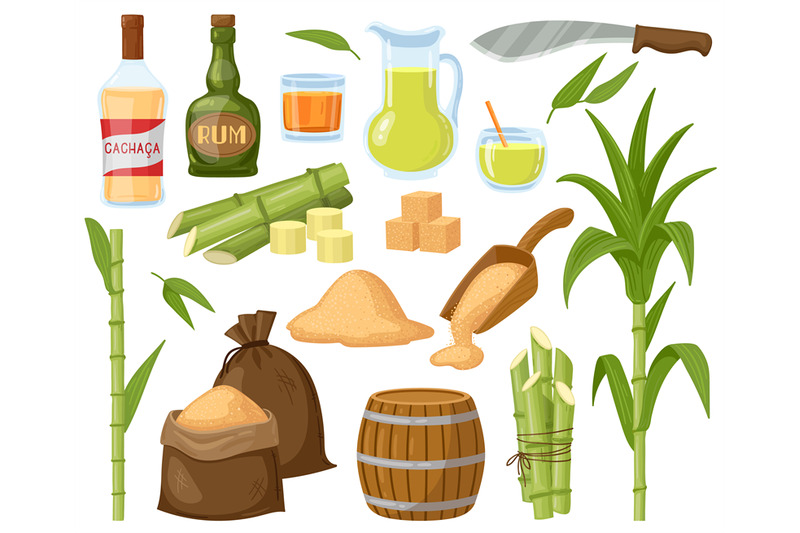
Numerous innovations in sugar cane item growth are improving the sector and expanding its applications. Scientists are checking out different usages beyond typical sugar, consisting of biofuels, biodegradable plastics, and health supplements. Breakthroughs in enzymatic handling strategies have actually enhanced the extraction of useful substances such as anti-oxidants and vitamins from sugar cane, promoting its usage in practical foods.Additionally, the growth of genetically modified useful link sugar cane selections aims to boost yield and resistance to bugs, while additionally enhancing the nutritional account of the crop. Advancements in fermentation processes have actually brought about the production of premium alcoholic beverages stemmed from sugar cane, appealing to a growing market for craft spirits.Moreover, lasting methods in cultivation and processing are getting traction, with a focus on lowering environmental influences. These improvements not just create brand-new market chances yet likewise promote an even more sustainable strategy to sugar cane production, aligning with global trends in the direction of environmentally friendly products.
Frequently Asked Questions
What Are the Environmental Impacts of Sugar Cane Farming?
The environmental impacts of sugar cane farming consist of deforestation, loss of biodiversity, water air pollution from plant foods and pesticides, dirt deterioration, and greenhouse gas discharges, all of which significantly contribute to environmental discrepancies and climate change.
Just How Does Sugar Cane Farming Affect Resident Economies?
Sugar cane growing considerably influences local economies by creating work, boosting agricultural sectors, and generating income for farmers. It can additionally lead to economic dependency and variations based on market demands and ecological problems.
What Are the Main Vermin and Diseases Affecting Sugar Cane?
The major pests impacting sugar cane consist of the sugarcane borer and aphids. Diseases such as red rot and smut significantly impact yield. Farmers need to implement incorporated pest administration approaches to mitigate these risks effectively.
Exactly How Is Sugar Cane Processed Into Different Products?
Sugar cane handling includes crushing the stalks to draw out juice, complied with by information, dissipation, and formation. This process returns raw sugar, molasses, and ethanol, each serving unique objectives in different sectors, from food to power.
What Are the Nutritional Aspects of Sugar Cane?
The nutritional aspects of sugar cane include essential minerals and vitamins, specifically B vitamins, calcium, and iron. It also includes fiber, though mainly composed of sucrose, which supplies energy but does not have substantial nutrients.