Exploring What Are Sugar Canes Used For in Natural Wellness Products
Recognizing Just How Sugar Canes Job: What Are Sugar Canes Utilized For in Food and Beyond?
Sugar canes are important to numerous aspects of both culinary and commercial techniques. Their flexibility allows them to be changed right into sugar, drinks, and also biofuels. As one explores the trip from cultivation to processing, the varied applications of sugar walking sticks reveal a complicated interaction between farming and industry. Nonetheless, the implications of sugar walking cane production extend beyond simple utility, questioning concerning environmental sustainability and financial impact.
The Background and Beginning of Sugar Canes
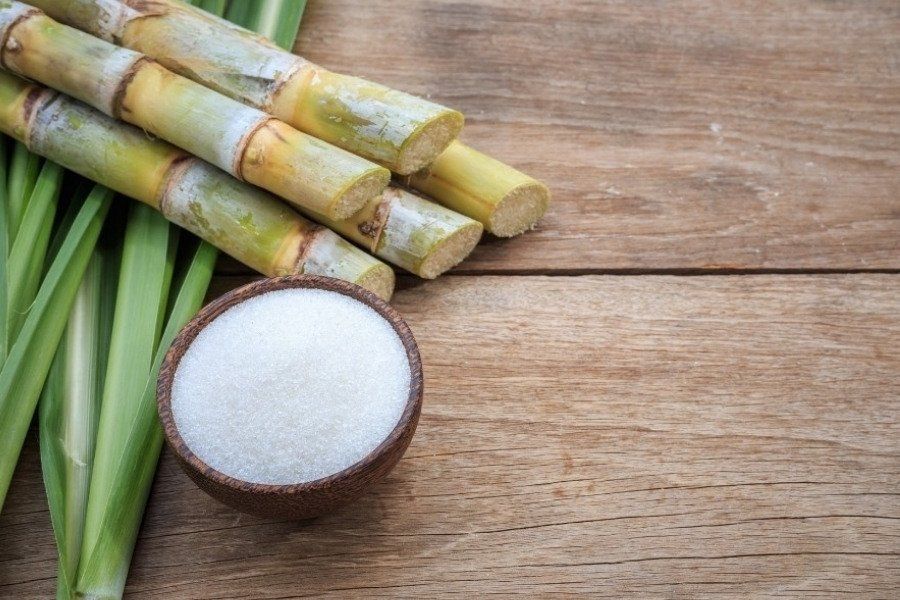
Commonly taken for provided in contemporary diets, the background and origin of sugar walking canes expose an intricate trip that spans thousands of years. Indigenous to Southeast Asia, sugar cane was first cultivated around 8000 BCE, with its pleasant juice becoming highly valued by early people. By the very first millennium advertisement, it spread to India, where it was refined into crystallized sugar, a significant innovation that transformed its use and trade. The introduction of sugar walking cane to the Mediterranean took place around the 7th century, thanks to Arab investors, who recognized its economic potential.During the Age of Exploration, European homesteaders developed sugar plantations in the Caribbean, substantially impacting worldwide profession. By the 17th century, sugar ended up being an essential product, fueling economies and influencing social frameworks. The story of sugar canes is intertwined with farming, commerce, and cultural exchanges, noting its value fit modern-day financial systems and cooking techniques.
Growing and Harvesting Practices
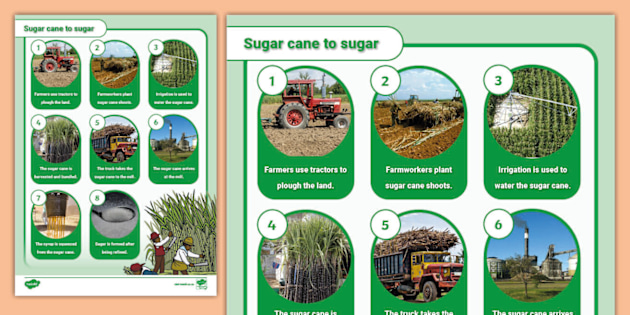
The cultivation and harvesting of sugar canes entail numerous critical practices that determine the top quality and return of the crop - What Are Sugar Canes Used For. Crucial element consist of efficient soil prep work methods, accurate planting techniques, and effective harvesting approaches. Comprehending these techniques is vital for enhancing manufacturing and ensuring sustainability in sugar cane farming
Soil Preparation Methods
Effective soil prep work methods are important for effective sugar walking stick farming, as they lay the structure for healthy and balanced growth and suitable yield. The procedure begins with soil screening to examine nutrient degrees and pH balance, permitting for tailored changes. Raking and tilling are after that used to freshen the dirt and damage up compaction, boosting root penetration. Incorporating raw material, such as garden compost or well-rotted manure, boosts dirt fertility and structure. Additionally, proper water drainage systems are vital to prevent waterlogging, which can impede walking stick advancement. Cover cropping might additionally be made use of to suppress weeds and enhance dirt wellness. These methods jointly ensure that sugar walking stick has the best environment to grow, bring about robust plant health and boosted performance.
Growing and Growth
Effective growing and development practices are necessary for optimizing the return of sugar walking cane. The procedure starts with picking healthy and balanced seed walking canes, which are segments of fully grown stalks abundant in buds. These seed walking canes are generally planted in well-prepared soil, ideally at a depth of 4 to 6 inches, guaranteeing appropriate moisture and oygenation. Sugar walking stick thrives in cozy climates with ample sunshine and requires constant irrigation, especially during completely dry spells. Fertilizing with phosphorus, nitrogen, and potassium is important to promote robust growth. Weed control is additionally vital, as competitors can impede advancement. Normal surveillance of plant health and dirt problems enables timely treatments, inevitably leading to a successful crop that satisfies market needs.
Collecting Techniques
Gathering sugar cane requires careful planning and execution to guarantee maximum return and top quality. Usually, the harvest occurs when the walking stick reaches ideal sugar web content, commonly between 12 to 18 months after growing. There are 2 key techniques: manual and mechanical harvesting. Hands-on harvesting entails laborers utilizing machetes to cut the stalks at ground level, guaranteeing minimal damages to the plant and soil. On the other hand, mechanical harvesting uses specific machines that reduced, cut, and transport the walking stick, increasing efficiency and decreasing labor costs. Mechanical methods can lead to greater dirt compaction and loss of nutrients. Despite the approach, prompt harvesting is crucial, as hold-ups can lead to decreased sugar quality and enhanced sensitivity to conditions and bugs.
Processing Methods for Sugar Removal
The handling of sugar cane is a vital phase in sugar manufacturing, including numerous crucial strategies - What Are Sugar Canes Used For. Harvested cane undertakes juicing and crushing to extract its sweet fluid. This juice after that proceeds with filtration and formation, changing it right into the sugar most generally made use of today
Gathering Sugar Walking Stick
Sugar walking cane harvesting marks an important stage in the manufacturing process, where timing and strategy play necessary functions in optimizing yield. Generally, the harvest occurs when sugar material is at its peak, which differs based on environment and growth problems. Workers utilize specialized tools or guidebook devices to cut the walking stick at the base, guaranteeing marginal damage to the plant. Correct method is essential; reducing as well high can lower the top quality and amount of the sugar drawn out later on. After cutting, the cane should be transported immediately to refining facilities to stop spoilage and sugar deterioration. The effectiveness of the harvesting procedure substantially influences the visit site general productivity and success of sugar cane farming, making it a vital focus for manufacturers.
Juicing and crushing
As soon as sugar walking cane is gathered, the following important action entails juicing and squashing to draw out the pleasant liquid that has sucrose. This process generally uses hefty equipment designed to crush the stalks, breaking down the coarse framework and launching the juice. Rollers or mills apply significant stress, allowing the walking stick juice to move out while separating the fibrous residue, understood as bagasse. As soon as smashed, the walking stick is usually subjected to a series of pushing stages to make best use of juice removal. The collected juice is rich in sugar and may consist of impurities, which will be resolved in later handling steps. In general, squashing and juicing are important strategies that change harvested sugar walking cane into a fluid type suitable for additional improvement.
Filtration and Formation
Purification and condensation are critical processes in transforming raw walking stick juice right into polished sugar. After removing juice from crushed sugar canes, the liquid contains contaminations such as plant minerals, fibers, and proteins. To visit this site achieve purification, the juice undertakes information, where warm and lime are contributed to precipitate impurities, which are after that removed. The made clear juice is then focused through dissipation to develop a thick syrup.Next, crystallization happens, where sugar crystals develop as the syrup cools down. This process normally entails seeding the syrup with existing sugar crystals to advertise consistent growth. The resulting crystals are divided from the continuing to be molasses via centrifugation, generating pure sugar. This polished item is then dried out and packaged for numerous culinary usages.
Culinary Uses of Sugar Canes
While often associated mainly with sweeteners, sugar canes use a versatile range of culinary applications beyond their function in sugar production. Fresh sugar walking stick can be juiced, producing a pleasant, stimulating beverage enjoyed in numerous exotic areas. This juice functions as a base for cocktails and shakes, adding an unique taste profile.Additionally, sugar walking stick syrup, obtained from boiling down the juice, is used as a natural sugar in numerous meals, from marinates to desserts. The syrup gives an abundant, caramel-like flavor, improving both sweet and full-flavored recipes.In some foods, sugar cane stalks are barbequed or roasted, giving a distinctive great smoky preference that enhances veggies and meats. Furthermore, sugar cane can be incorporated into desserts, such as puddings and candies, where its sweet taste and coarse structure develop fascinating contrasts. Generally, sugar walking canes add to both standard and ingenious culinary developments across diverse cultures.
Industrial Applications Past Food
Past their cooking usages, sugar walking canes play a significant function in different industrial applications, adding to industries such as bioenergy, paper manufacturing, and bioplastics. The coarse material of sugar cane is made use of in the manufacturing of biofuels, especially ethanol, which works as an eco-friendly power source that decreases dependancy on fossil gas. In the paper sector, bagasse, the fibrous residue left after juice extraction, is refined right into pulp for paper and cardboard production, promoting lasting techniques by utilizing waste. In addition, advancements in bioplastic technology have actually resulted in the advancement of eco-friendly plastics stemmed from sugar walking cane, providing an environmentally friendly alternative to standard petroleum-based plastics. These commercial applications not just improve the value of sugar canes yet additionally straighten with international activities in the direction of sustainability and renewable resources, highlighting their flexibility past the cooking area.
The Environmental Impact of Sugar Walking Stick Manufacturing
The production of sugar walking stick, in spite of its numerous commercial advantages, poses substantial ecological difficulties. Deforestation is commonly a repercussion, as substantial areas of land are removed to cultivate sugar cane, leading to habitat loss and biodiversity decrease. In addition, the intensive farming practices connected with sugar walking stick growing can lead to dirt degradation and disintegration. The hefty usage of pesticides and fertilizers to optimize returns adds to water contamination, detrimentally influencing aquatic ecosystems.Moreover, sugar walking look at here now stick production is connected to boosted greenhouse gas exhausts, especially through land-use adjustments and the burning of walking cane areas prior to harvest. These practices not just affect air quality yet additionally add significantly to climate modification. On top of that, the water-intensive nature of sugar walking stick farming locations stress and anxiety on local water sources, influencing ecosystems and neighborhoods reliant on these supplies. Addressing these environmental impacts is essential for lasting sugar walking stick production in the future.
Often Asked Inquiries
Exist Wellness Perks Linked With Consuming Sugar Walking Stick?
The question of wellness benefits connected to sugar cane intake highlights potential advantages. Sugar walking stick might supply hydration, important minerals, and anti-oxidants, yet moderation is necessary as a result of its all-natural sugar material and possible health ramifications.
Exactly How Does Sugar Cane Contrast to Various Other Sugar Nutritionally?

Sugar cane uses all-natural sweet taste, mostly consisting of sucrose, while various other sweeteners differ in make-up and calorie material. Contrasted to man-made options, sugar cane provides minerals and vitamins, though it remains high in calories and carbs.
Can Sugar Walking Stick Be Expanded in Non-Tropical Areas?
Sugar walking stick largely flourishes in exotic climates, calling for cozy temperature levels and plentiful rains. While some non-tropical regions attempt farming, success is restricted because of poor warmth and expanding periods, making massive production testing.
What Are the Typical Bugs or Conditions Affecting Sugar Canes?
Usual parasites impacting sugar canes consist of the sugarcane borer and aphids, while conditions like leaf scald and red rot posture considerable risks. Reliable management methods are important for keeping healthy sugar walking cane plants and taking full advantage of yields.
Just How Does Sugar Walking Stick Effect Local Economies?
The influence of sugar cane on local economic situations is substantial, supplying employment possibility, improving farming markets, and adding to exports. Its cultivation sustains local organizations and boosts neighborhood development through enhanced earnings and infrastructure renovations. Native to Southeast Asia, sugar cane was initial cultivated around 8000 BCE, with its wonderful juice coming to be highly valued by very early human beings. The introduction of sugar walking cane to the Mediterranean occurred around the 7th century, many thanks to Arab investors, who recognized its financial potential.During the Age of Expedition, European homesteaders developed sugar haciendas in the Caribbean, significantly influencing worldwide profession. The processing of sugar walking cane is an important phase in sugar production, including several key strategies. While often linked primarily with sweeteners, sugar canes offer a functional range of culinary applications past their role in sugar production. The hefty usage of pesticides and fertilizers to make the most of yields contributes to water pollution, adversely affecting marine ecosystems.Moreover, sugar walking cane production is linked to boosted greenhouse gas discharges, particularly through land-use adjustments and the burning of walking stick fields prior to harvest.